







Search Results for: auxiliary tools
A Complete Guide to Coffee Brewing Accessories: Functions and Operation of Practical Tools Such as Secondary Dispersion Screens, Paragon Ice Balls, and Lily Beads
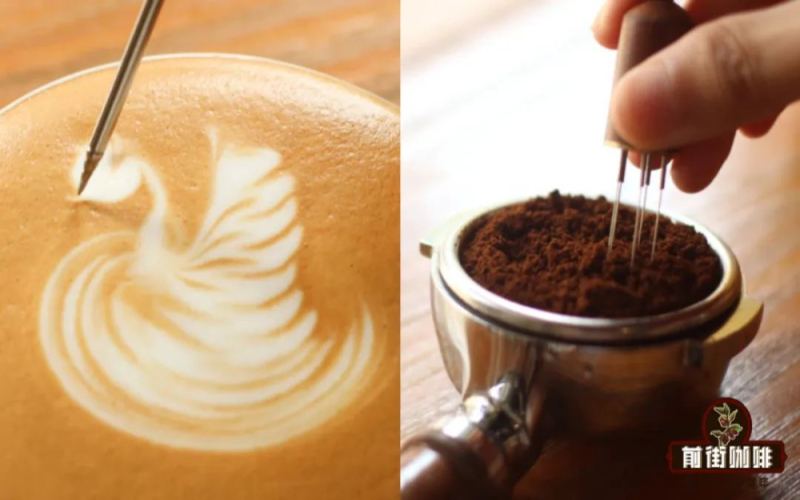
On the journey to pursue a good cup of coffee, besides high-quality beans and skilled technique, some seemingly inconspicuous auxiliary gadgets often play a finishing touch. Front Street Coffee has previously introduced sharp tools such as latte art needles and WDT needles. Today, continuing with the theme of coffee auxiliary tools, we will review the uses and methods of the secondary dispersion screen, Paragon ice ball, Lily Drip, dosing funnel, extraction observation mirror, and a silencing air blower. These tools help coffee enthusiasts and professionals complete brewing more calmly from the perspectives of even extraction, locking in aroma, improving puck distribution, enhancing operating cleanliness, making it easier to observe extraction status, and reducing noise. Whether you are a beginner just starting out or an advanced player pursuing details, you can find a practical solution that suits you. [more…]
Are a distribution tool and WDT needle tool really worth buying? Looking at espresso stability through extraction evenness
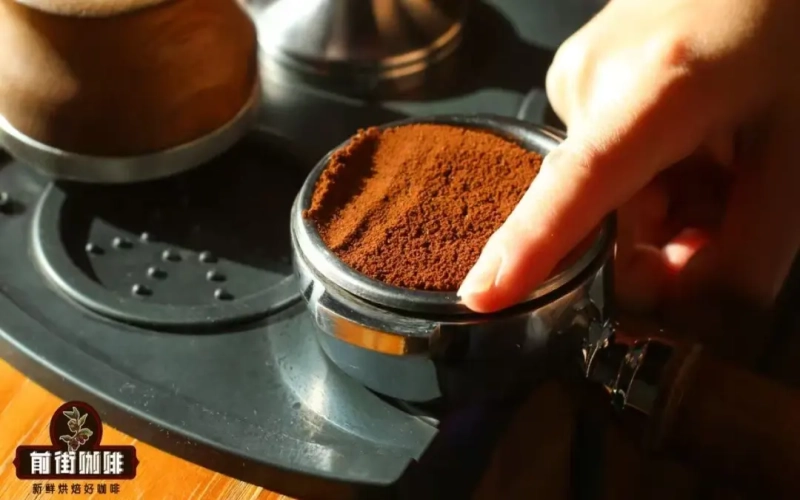
Many friends who have just gotten their hands on an espresso machine struggle with this question: besides a tamper, are a distribution tool and WDT needle tool really necessary? Front Street Coffee has received similar questions before. To answer this, Front Street ran a comparative experiment: using traditional manual distribution versus辅助 tools to each extract three shots of espresso, comparing them by taste and mouthfeel. The experiment used the ever-popular Front Street Espresso Blend Strawberry Candy · Espresso from the Front Street bean lineup, with parameters of 20g dose yielding 40ml. The results showed that the difference between the two was not obvious, but this does not mean the辅助 tools are meaningless. Their real value lies in helping baristas consistently make good coffee, rather than simply improving flavor. This article will start from the causes of channeling, explain the importance of even distribution, and offer advice on whether these tools are worth buying. [more…]
How many tools does a good cup of coffee really require? A closer look at the coffee accessories that tend to sit idle
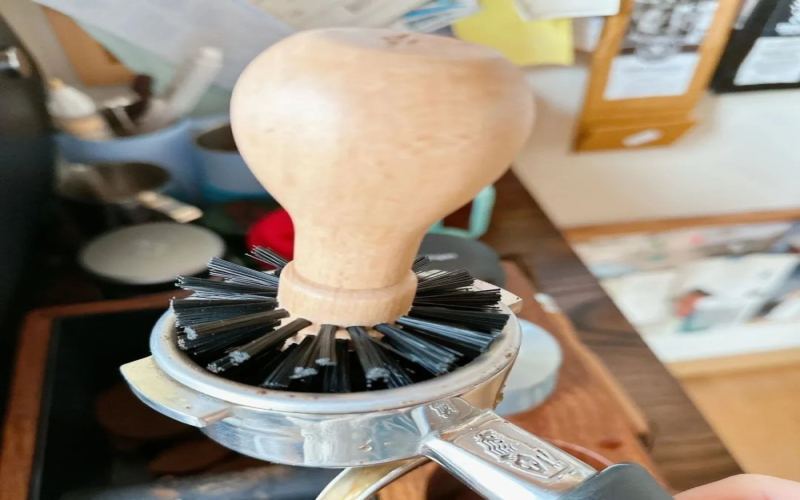
As the saying goes, "To do a good job, one must first sharpen one's tools." Many coffee enthusiasts, when scrolling online and coming across various functional coffee gadgets, are often drawn in by their good looks and labels like "must-have神器" and "extraction aid," and can't resist adding them to their shopping carts. But after buying them and bringing them home, they discover that most of these things end up as "beautiful junk." To make a delicious cup of coffee, how many tools do you actually need? Does having more complete equipment and more professional gear make coffee taste better? This article reviews eight types of auxiliary tools—portafilter basket cleaning brushes, automatic portafilter cleaners, portafilter basket storage racks, portafilter basket tamping aids, portafilter scale stands, automatic drip bag brewing machines, small stainless steel bean hoppers, and filter paper presses—analyzing their practicality and their uselessness one by one, to help you avoid unnecessary expenses. [more…]
A Complete Guide to Pour-Over Coffee Starter Equipment: From Grinders to Drippers – Buying Advice and Brand Recommendations
To brew a delicious pour-over coffee at home, having the right set of equipment is essential. Faced with the overwhelming variety of choices on the market, many beginners often feel at a loss. In fact, as long as you understand the function of each tool and the key points for selecting them, getting started is not as complicated as you might imagine. This article systematically covers the core equipment needed for pour-over coffee, including the grinder, filter paper, gooseneck kettle, dripper, server, and auxiliary tools, and explains in detail how different materials and shapes affect coffee flavor. Whether you are a beginner just getting into pour-over or an enthusiast looking to upgrade your gear, you will find practical purchasing guidance here. [more…]

The Complete Guide to Espresso Cleaning Cloths: Five Cloths, Each with Its Own Job, Plus Milk Cloth Usage and Stain Removal Tips
In the process of making espresso, besides auxiliary tools such as WDT needles, distribution tools, and latte art needles, cleaning cloths are also an indispensable logistical role. Many coffee enthusiasts wonder: why does making coffee require as many as five cleaning cloths? Is the barista some kind of god of rags? In fact, each cloth has a different task, and the requirements for hygiene standards and dryness/wetness also vary, so one cloth cannot serve all purposes. Front Street will break down in detail the responsibilities of each of the five cloths in this article—from wiping the portafilter, wiping cups, milk cloth, wiping the espresso machine, to the bar cloth—and share the key points for using the milk cloth damp, as well as how to distinguish fabrics by color and style, to help everyone understand the cleaning logic behind baristas. [more…]
Can Lily Drip really improve coffee extraction? A breakdown of the principle and a practical comparison with V60
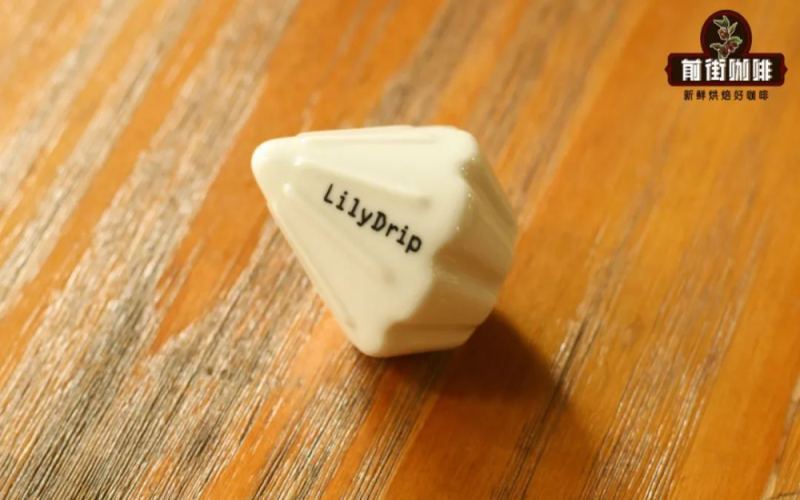
A glass bead accidentally fell into the dripper, and unexpectedly became the source of inspiration that changed the coffee extraction landscape. Thus, Lily Drip was born. By dispersing the central coffee bed, it solves the common problems of uneven extraction and clogging-induced over-extraction in conical drippers. This article will start with the origin story of Lily Drip, analyze its working principle, and, using a light-roasted Yirgacheffe Gutingding as the subject, conduct a side-by-side experiment with V60 versus V60 plus Lily Drip, comparing brewing time, flavor performance, and adjustment approaches. If you have also been troubled by clogging and overly long extraction times with light-roasted beans, why not follow along with Front Street Coffee to see whether this little tool is really worth buying. [more…]

Can the Lily drip coffee tool enhance pour-over flavor? A practical analysis of pairing a conical dripper with cake filters
The joy of pour-over coffee lies not only in the variation of flavors, but also in constantly trying new accessories. This article focuses on a small accessory called Lily drip, which originated from an accidental inspiration—placing glass marbles into a conical dripper unexpectedly gave rise to a small toy that can change the extraction effect. The article will combine a brewing example of Yirgacheffe Gedingding to share parameters such as 15g of coffee grounds, a 1:15 coffee-to-water ratio, 92°C water temperature, and a three-stage pour, and will also explore whether the V60 dripper is compatible with cake filters. If you are interested in optimizing pour-over details, you may as well follow Front Street's perspective and take a look. [more…]
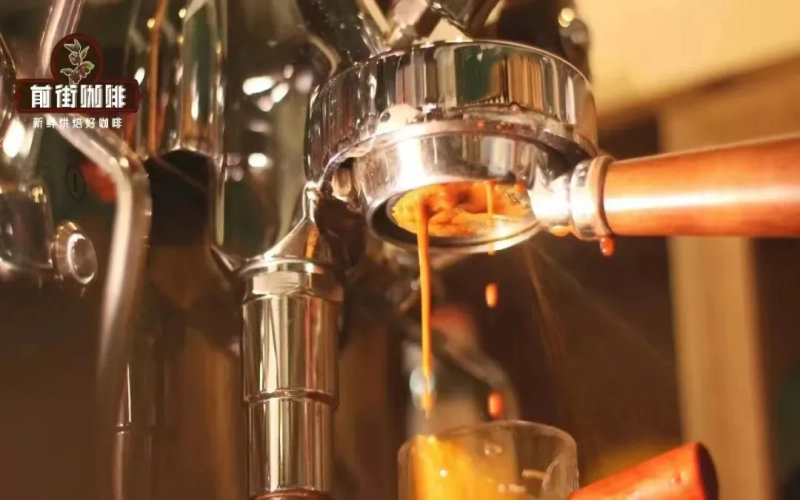
Is a WDT tool really worth buying? Analyzing the causes of and fixes for clumping and static in espresso grounds
When making espresso in dry weather, coffee grounds often clump together due to static electricity, which in turn causes channeling and affects the final flavor expression. Although most modern grinders are equipped with anti-static devices, some stragglers still slip through into the portafilter. Is there a simple and effective way to solve this problem? The answer is the distribution needle—a small yet practical auxiliary tool, and the workflow it corresponds to is known as the Weiss Distribution Technique (WDT). This article will explain the working principle of the distribution needle, its historical origins, its actual extraction effects, and the troubles that may be encountered during use, helping coffee enthusiasts determine whether this tool is worth purchasing, while also understanding the causal relationship between coffee grounds clumping and static electricity. [more…]
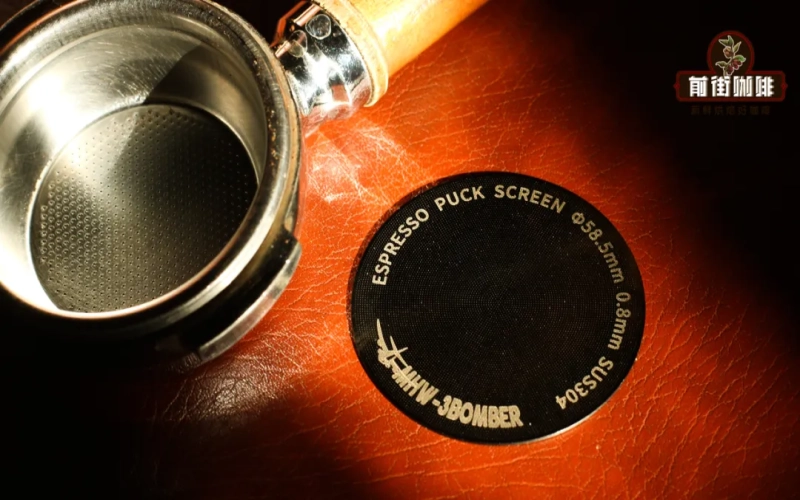
Analyzing the Practical Effects of a Secondary Dispersion Screen in Coffee Extraction: Can It Improve a Soggy Puck, and Is the Bomber Version Worth Buying?
Recently, a compact metal accessory has been generating quite a bit of discussion in the coffee community. Many enthusiasts see it as a handy tool for simplifying the extraction process—the secondary dispersion screen. What changes can this metal disc actually bring? Can it truly solve the common problem of wet, crumbly pucks after espresso extraction? In this issue, Front Street will analyze the core functions of the secondary dispersion screen, and combine that with hands-on experience using related products from the Bomber brand to provide an objective reference for coffee lovers who are still on the fence. [more…]
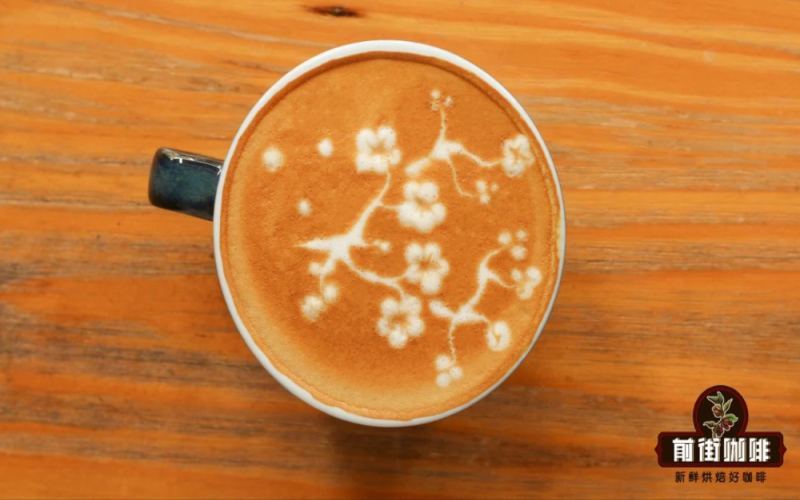
Latte Art Guide: From Pouring Point and Swirling Control to Step-by-Step Tutorials for Tulip and Leaf Patterns
Latte art encompasses three categories: free pouring, etching, and printing. Of these, free pouring and etching are together known as milk latte art—free pouring creates the pattern directly through wrist control while pouring hot milk, whereas etching uses chocolate sauce and tools such as toothpicks and bar spoons to refine the details. Free pouring is the foundation, and etching is the辅助 (auxiliary); the former tests technique, the latter tests creativity. To master milk latte art, one typically goes through five stages: choosing the right milk pitcher and coffee cup, practicing flow control, becoming familiar with basic patterns, hands-on practice, and then further refinement and improvement. This article will use two basic patterns, the tulip and the leaf, as examples to break down key techniques such as the position of the pour point, the flow rate, and the rhythm of the swing, and explain how to use 【Front Street Specialty Blend】 to extract espresso suitable for latte art. [more…]
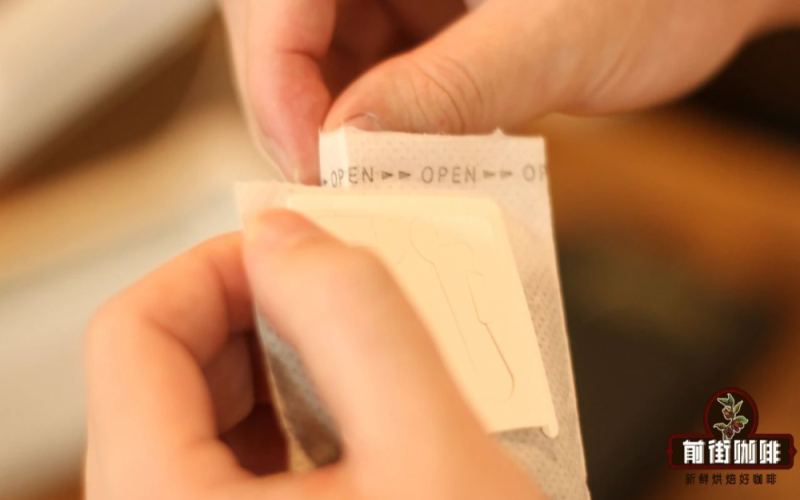
Drip Bag Coffee Recommendations | Is there a big difference between drip bag coffee and pour-over coffee made from the same beans? Can pour-over brewing parameters be applied to drip bag coffee brewing?
With the growing popularity of coffee culture in China, more and more office workers choose to enjoy a cup of coffee before work to refresh themselves and sharpen their minds, making it a part of their daily routine. Many people have also equipped their homes with various brewing devices. However, because the process of making pour-over coffee is relatively cumbersome, many people prefer to choose a more cost-effective [more…]
A Beginner's Guide to Buying Pour-Over Coffee Equipment: Which Gear Is Worth the Investment and What You Can Skip
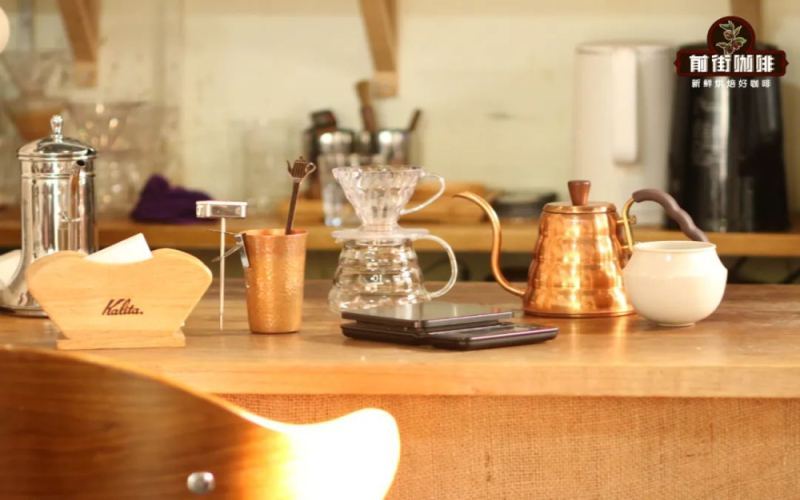
Newcomers just getting into pour-over coffee often find themselves overwhelmed by the dizzying array of equipment on the market. Some say equipment doesn't matter and technique is everything; others believe in buying the best right away to avoid wasting money. Both views have merit, but what works for others may not work for you. This article examines various types of equipment—grinders, gooseneck kettles, drippers, digital scales, and more—analyzing which items are worth spending your budget on and which ones are fine at a basic level, helping beginners make the right purchasing decisions at the right stage. [more…]
Same beans: drip bag or pour-over dripper? Flavor differences and a breakdown of this season's drip bag variety pack flavors
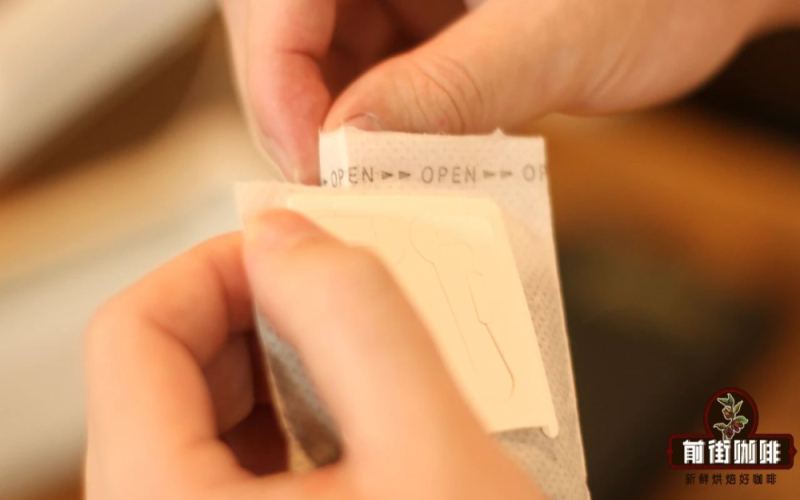
In the fast-paced world of office life, coffee has become a daily essential for many people to stay alert. Some prefer the ritual and layered complexity of pour-over, while others favor the convenience and efficiency of drip bags. So, when using exactly the same coffee beans, how big is the difference between coffee brewed from a drip bag and from a pour-over dripper? This article uses a comparative experiment by Front Street Coffee to analyze the differences in aroma, flavor, mouthfeel, and other dimensions, and explores the key factors affecting drip bag coffee performance. At the same time, we will also introduce the various classic regional flavors included in Front Street's seasonal drip bag mixed pack, helping coffee lovers find a balance between convenience and quality. [more…]
Pour-Over Coffee Beginner's Guide: Master the Core of Extraction and Choose Your Dripper and Parameters Wisely
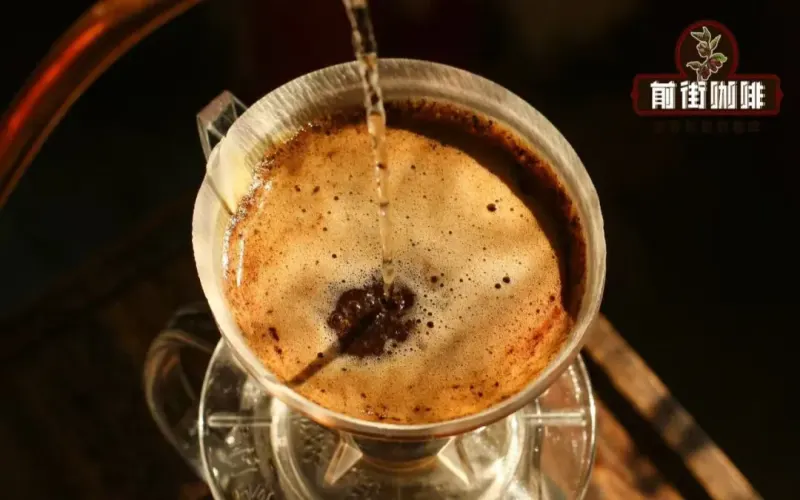
Those new to pour-over coffee are often dazzled by all kinds of flashy brewing techniques and a bewildering array of drippers, only to spend a lot of money without brewing a satisfying cup. In fact, the essence of pour-over isn't complicated—suitable water temperature, proper grind size, an accurate coffee-to-water ratio, plus a regular circular pouring method, and you'll get a decent cup of pour-over. This article sorts out the three most common pitfalls beginners fall into: blindly imitating competition brewing techniques, following the trend of buying all kinds of drippers, and neglecting scales and thermometers so that parameters become "roughly good enough." At the same time, Front Street also recommends several everyday beans suitable for beginners, helping you start off on the right path. [more…]
From Accidental Hearts to 3D Patterns: The Evolution of Coffee Latte Art and Its Tools
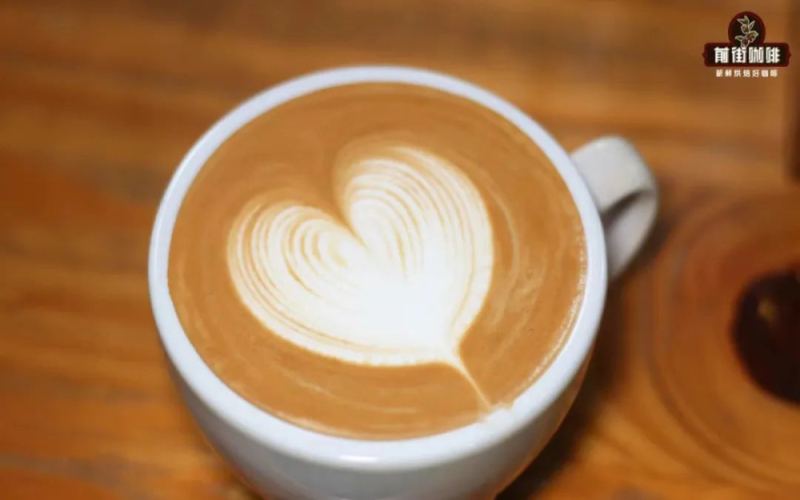
Latte art, commonly known as "milk art," is the craft of creating exquisite patterns on the surface of a cup after espresso and steamed milk intermingle. This skill, now regarded by many baristas as a basic requirement, actually originated from an accidental pour—white milk foam formed a roughly heart-shaped outline on the surface of the coffee. Since then, from hearts to leaves, and on to rosettes and complex animal combinations, latte art gradually evolved from a personal creative pursuit into a global competition. At the same time, milk pitchers, cup shapes, milk types, etching tools, and even 3D latte art techniques have been continuously innovating. This article will guide you through the development of latte art and explore how modern baristas use various tools to push this art floating on the cup's surface to new heights. [more…]
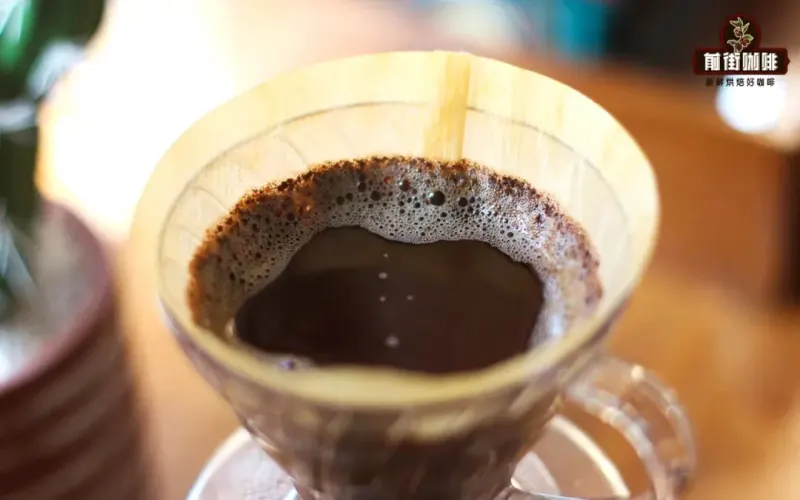
The Correct Way to Use a Showerhead Drip Filter in Pour-Over Coffee: A Detailed Guide to Flow Strength, Clogging Risks, and Stirring Techniques
For beginners, mastering the pouring technique in pour-over coffee is often difficult to stabilize, and in recent years many small辅助 brewing tools have appeared on the market. Front Street Coffee recently got its hands on a pour-over accessory called the "showerhead dripper," whose shape closely resembles a lotus seedpod and can automatically split hot water so it drips gently, thereby making extraction more even. In addition to the showerhead itself, it also comes with a stirring rod, used to make up for the drop in extraction efficiency caused by insufficient water flow impact. However, when using this kind of tool, details such as flow rate and the number of holes still need attention. This article will combine actual operation to explain in detail how to use the showerhead dripper, whether excessively strong water flow can cause clogging, and the specific key points of the stirring method. [more…]
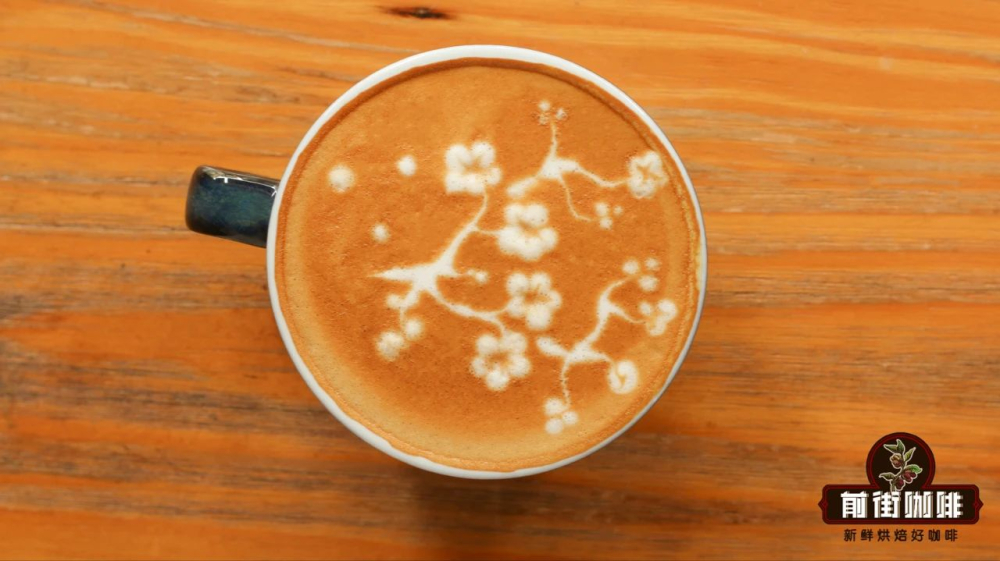
Latte Art | What is latte art? How do beginners make latte art? What are the techniques for making a tulip pattern?
Latte art mainly includes three forms: free pouring, etching, and stenciling. Stenciling uses a stencil to sprinkle cocoa powder, chocolate powder, or cinnamon powder onto the coffee to create a pattern. Free pouring and etching are collectively known as Latte Art; the former involves pouring hot [more…]
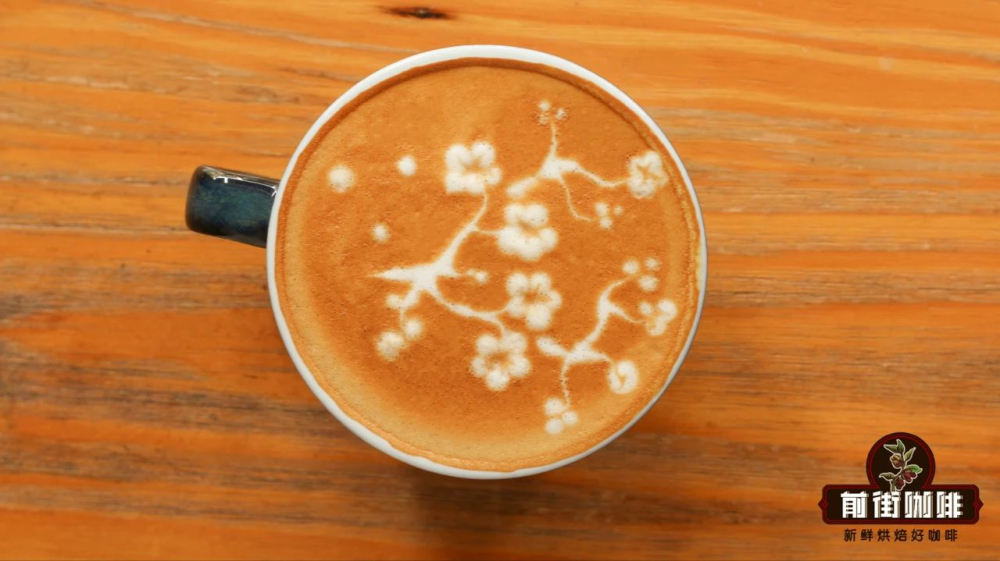
Latte Art Illustrated Guide | How Can Coffee Beginners Learn Latte Art? What Should Be Noted in Latte Art? Instructional Guide on Swan, Tulip, and Rosetta Latte Art
Latte art mainly takes three forms: free pouring, etching, and stenciling. Stenciling uses a stencil to dust cocoa powder, chocolate powder, or cinnamon powder onto the coffee to create a pattern. Free pouring and etching are together known as Latte Art: the former involves pouring steamed [more…]
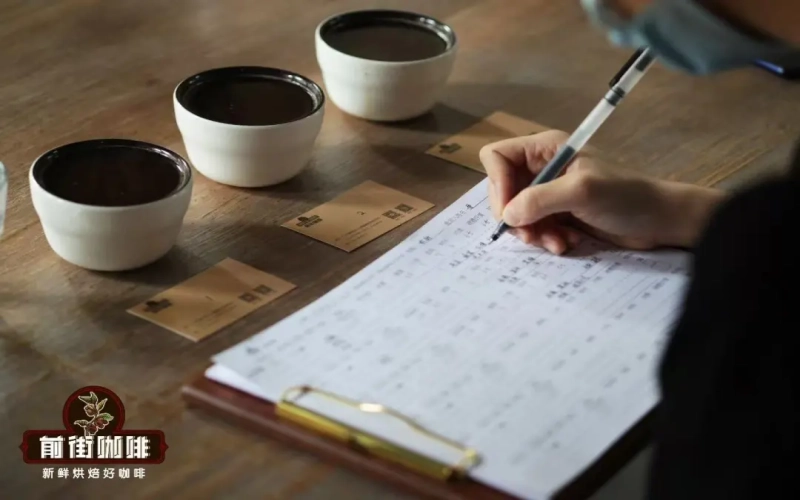
SCAA Coffee Flavor Wheel User Guide: From the Three-Ring Structure to Sensory Training, Systematically Master the Pour-Over Coffee Tasting Method
The coffee flavor wheel is an authoritative sensory tool recognized by the industry, but it cannot make you directly taste a certain flavor; rather, it is an auxiliary guide to help you organize and identify flavors. This article will use the new version of the flavor wheel released by the SCAA in 2016 as a blueprint, starting from its research background, and disassemble one by one the correspondence among the three-layer structure of the inner ring, middle ring, and outer ring. Combined with a comparative example of Front Street Yirgacheffe Gedingding and Front Street Boquete Geisha, it explains how to use the flavor wheel to gradually narrow the scope of judgment and build sensory memory. At the same time, it also reminds enthusiasts that they do not need to blindly follow the flavor wheel, because the samples it includes are limited, and real flavors such as lychee may not necessarily appear on the wheel. At the end, the article also shares the ingenious design between the flavor wheel's color scheme and flavor associations, helping you more efficiently improve your ability to identify the flavors of pour-over coffee. [more…]
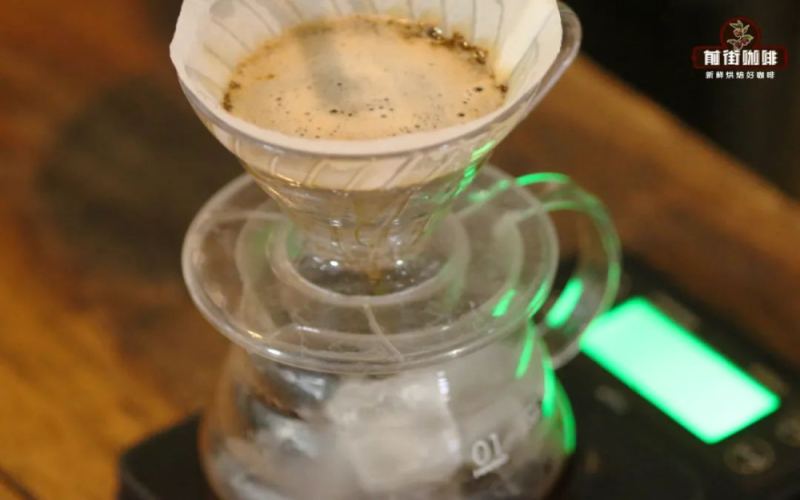
How should pour-over coffee extraction time be determined? The controversy and practical recommendations on whether blooming should be timed
When brewing pour-over coffee, the timer function on a digital scale is often overlooked, yet it is crucial for judging extraction results. Front Street Coffee recommends keeping the total extraction time at around 2 minutes, in practice falling between 1 minute 50 seconds and 2 minutes 10 seconds. However, there is disagreement over when to start the timer: should it begin the moment water is poured, or should the clock only be started after pouring is finished? Front Street believes that extraction begins the instant the coffee grounds touch water, and therefore insists on timing from the very first second of pouring. This article builds a pouring model around time milestones, explaining how to troubleshoot issues such as flow rate and grind size through segmented timing, making time an effective diagnostic tool for brewing. [more…]